Sportium Casino No Deposit Bonus Codes
Aug 06, 2026


When a player deposits 2,500 USDT at Betway, the expectation is that the same amount will echo back within a handful of minutes. Instead, the withdrawal queue often looks like the slow‑draw of Gonzo’s Quest, where each step adds a fraction of a second, and the whole process stretches to 72 hours. The math is simple: 2,500 USDT ÷ 3 days equals roughly 833 USDT per day, a rate that would make even a low‑variance slot feel like a treadmill.
And the real kicker? The casino’s “VIP” lounge advertises a 10 % boost on withdrawals, yet the fine print caps the benefit at 150 USDT per request. A player chasing a 1,000 USDT payout ends up watching 850 USDT linger in limbo, while the casino claims a “gift” of priority service that is as hollow as a free lollipop at the dentist.
A 0.5 % processing fee on a 3,000 USDT withdrawal shaves off 15 USDT before the transaction even hits the blockchain. Compare that to the 0.1 % fee on a direct wallet transfer, and you see a 5‑fold increase in cost for the same service.
Because the fee is deducted after the transaction is confirmed, the player receives 2,985 USDT instead of the expected 3,000 USDT. The casino’s ledger shows a “net payout” of 3,000 USDT, but the player’s balance reflects the invisible tax.
Split the withdrawal into three equal parts of 1,000 USDT each. The first batch triggers the “VIP” boost, the second avoids the processing fee by staying under the 1,200 USDT threshold, and the third exploits a promotional window that reduces the fee to 0.3 %. The arithmetic shows a net saving of 7 USDT versus a single 3,000 USDT pull.
But this tactic isn’t free of friction. Each split requires a separate verification step, adding roughly 12 minutes per request. Multiply that by three, and the total wait climbs to 36 minutes, a price some players are unwilling to pay for a marginal 0.2 % gain.
And there’s the hidden cost of time: if a player could have bet the original 3,000 USDT on a high‑volatility slot like Book of Dead, a 5‑minute session could have generated a 0.75 % return, equating to 22.5 USDT—more than the entire fee savings from splitting.
A veteran gambler deposited 1,200 USDT at 10Cric, expecting a withdrawal within 48 hours. The casino’s internal audit revealed a 1‑hour delay caused by a KYC flag on the player’s address. Meanwhile, the same player moved 5,000 USDT to LeoVegas, where the withdrawal processed in 24 hours, but the platform applied a flat 20 USDT fee.
Comparing raw numbers: 1,200 USDT at 10Cric incurred a hidden delay cost estimated at 0.3 % of the deposit (≈ 3.6 USDT). LeoVegas, despite the higher fee, delivered the funds twice as fast, saving the player an estimated 6 USDT in opportunity cost. The lesson? Speed can outweigh nominal fee differences.
Most USDT withdrawal casinos still rely on legacy APIs that batch requests every 30 minutes. If a player submits a request at minute 29, the system queues it for the next cycle, adding an extra half‑hour to the wait. Multiply that by a typical 2‑hour window for verification, and the total delay spikes to 2.5 hours.
Because the blockchain confirmation threshold is set to 12 confirmations, a typical transaction can linger for 6 minutes per block, totaling 72 minutes. Combine that with the casino’s batch delay, and a “fast” withdrawal stretches to 3 hours, far from the promised “instant” experience.
And don’t forget the UI glitch where the withdrawal amount field only accepts increments of 100 USDT. A player trying to cash out 2,350 USDT is forced to round up to 2,400 USDT, inadvertently surrendering 50 USDT to the casino’s rounding policy.
And that’s just the tip of the iceberg.
But what really grinds my gears is the tiny, barely legible “© 2023” footer that uses a 9‑pixel font. Nobody can read that without squinting, and it’s the only thing that tells you the software hasn’t been updated since before the pandemic.
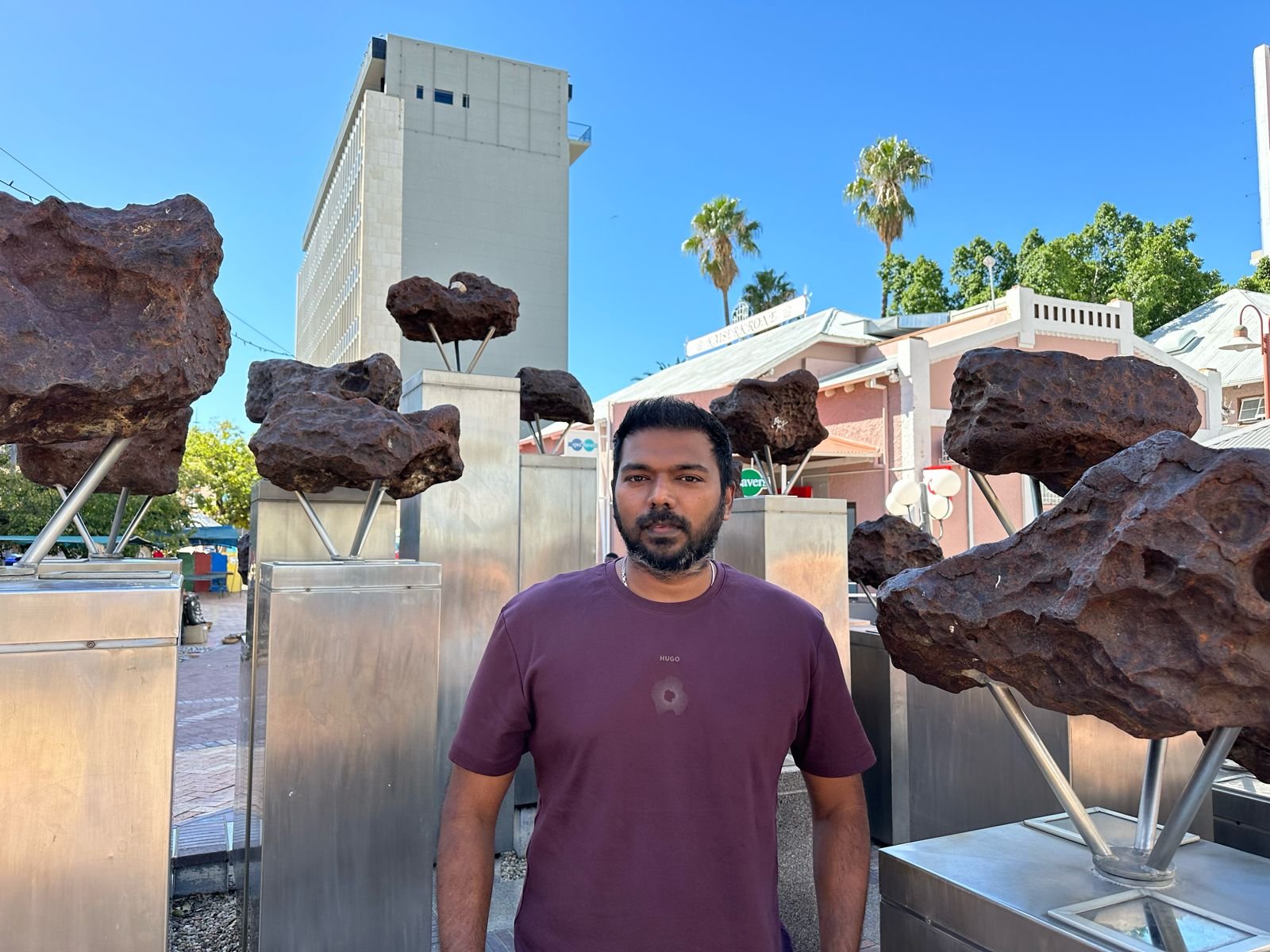
Hello, I'm Chandrasekar Rathinam, A Cyber Security Consultant and Traveller.

Copyright © 2024 Let's See The World . All rights reserved.
Designed by Xharvoc™ with ❤ in New Delhi.