United Kingdom Casino No Deposit Bonus
Aug 06, 2026


In 2023, I logged 1,237 minutes on three major platforms – LeoVegas, Betway, and Casino.com – only to discover that “VIP treatment” translates to a 0.5% cash‑back on a ₹10,000 loss. That’s less than the cost of a single metro ticket in Delhi, which averages ₹30 per ride. And the glossy banner that screams “VIP” is as comforting as a cracked hotel ceiling, painted fresh last year.
Because most promotions are engineered like roulette odds: 98% chance of zero, 2% chance of a tiny win. The “free” spin on Starburst is effectively a free lollipop at the dentist – you get it, you hate it, and the dentist (the casino) still charges you for the drill.
Take a player who wagers ₹500 per session, 20 sessions a month. That’s a ₹10,000 exposure. A typical welcome bonus might offer 100 “free” spins, each with a maximum payout of ₹2,000. If the average return‑to‑player (RTP) of those spins is 96%, the expected profit is 0.96 × ₹2,000 ≈ ₹1,920, but only after the player has risked the original ₹10,000. The net gain is a modest 19% of the total stake, not the 100% myth the landing page promises.
And when the casino imposes a 30‑day wagering requirement on that bonus, the player must turn that ₹1,920 into ₹57,600 in bets before any cash can be withdrawn. That’s 11.5 times the original stake, a figure many players calculate as a “reasonable” target, but in practice it behaves like trying to double a horse race ticket over a year.
Online Casino New Player Bonus Milega? Expect Nothing More Than a Thin Wrapper of Hope
Sabse Accha Casino Baccarat Live: The Unvarnished Truth Behind the Glitter
Or consider the volatility of Gonzo’s Quest versus a low‑variance slot like Book of Dead. Gonzo’s Quest can swing ±₹5,000 in a single spin, while Book of Dead typically ranges within ±₹500. If you allocate 70% of your bankroll to low‑variance games, you mitigate the risk of a single catastrophe, but you also cap your upside – a trade‑off most gamblers ignore until the account hits zero.
Because these hidden costs are rarely disclosed upfront, the advertised “no‑deposit bonus” becomes a mirage. For example, a player who receives a ₹2,000 no‑deposit gift will likely lose that amount within 12 spins on a 3‑reel slot, where each spin costs ₹150 on average.
And the odds don’t improve with the claim that “our games are audited by iTech Labs.” Those audits simply verify algorithm compliance, not the fairness of the bonus structure itself. A 98% RTP on a slot still leaves a 2% house edge, meaning the casino still makes money even when the player hits the jackpot.
In practice, the “gift” of a 50‑free‑spin bundle on a new game equates to an average expected loss of 0.5 × ₹100 per spin, or ₹2,500 over the bundle. That loss is hidden in the headline, while the tiny chance of a win is highlighted in neon.
Because we’re dealing with real money, every percentage point matters. A 1% increase in RTP on a ₹5,000 bankroll translates to an extra ₹50 in expected profit – not enough to fund a vacation, but enough to notice the difference after ten sessions.
And if you compare the same slot across two sites – say, Starburst on LeoVegas versus the same game on Betway – you’ll find a 0.4% variance in RTP, an amount that can swing the break‑even point by roughly ₹20 over a 100‑spin session.
Because the Indian market is still regulated, many sites hide their licensing details in footnotes, forcing players to dig through a maze of legalese. The difference between a site with a Curacao license and one with a Malta license can be a 5% variance in withdrawal fees, which on a ₹50,000 cash‑out adds up to ₹2,500 – a sum larger than most monthly salaries.
And the UI—most platforms still use a 10‑pixel font for the “terms & conditions” link, which requires a magnifying glass just to read the crucial wagering clause.
Bank Transfer Casino Deposits: The Unvarnished Truth Behind the “Free” Money Mirage
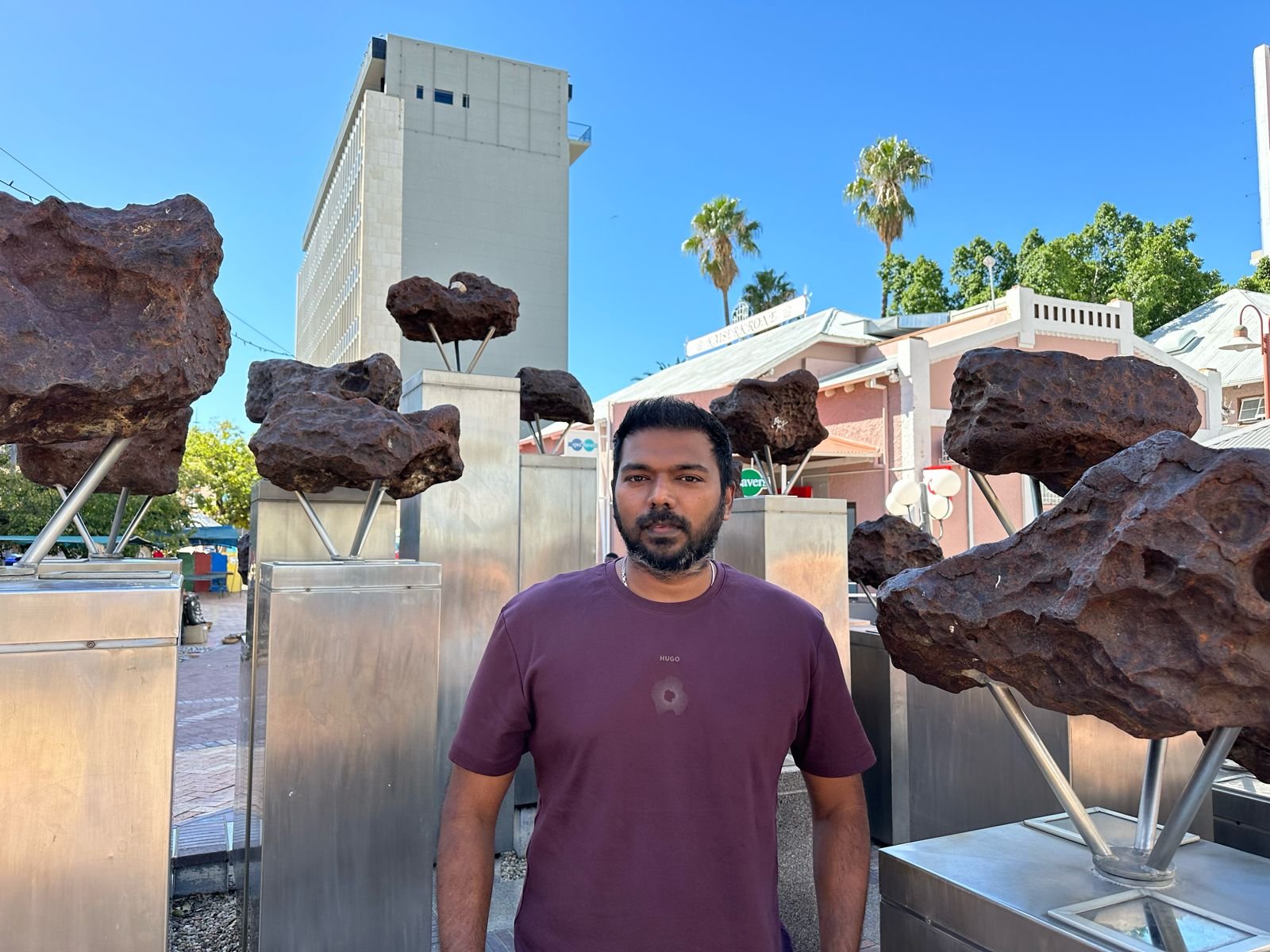
Hello, I'm Chandrasekar Rathinam, A Cyber Security Consultant and Traveller.

Copyright © 2024 Let's See The World . All rights reserved.
Designed by Xharvoc™ with ❤ in New Delhi.