Best Uk Registered Casinos
Aug 06, 2026


Three minutes into a new promotion and the “no deposit” banner screams louder than a street vendor at 8 am. It promises 1 000 free credits, yet the average player walks away with a net loss of roughly 0.7 % after accounting for wagering requirements. That 0.7 % is not a typo; it’s the house edge baked into every “free” offer.
Why the “online casino minimum deposit 5000 rupaye” Is Just Another Cash‑Gate
And the first thing you notice is the fine print – a 30‑day expiry, a 20× multiplier, and a cap of 50 ₹ on winnings. Compare that to a 5‑minute spin on Starburst, where the volatility is lower but the payout window closes faster than a Delhi metro at rush hour.
Betway rolls out a “welcome gift” of 2 500 spins, but the actual cash‑out is limited to 100 ₹. If you gamble 5 ₹ per spin, you need at least 20 ₹ in profit to breach the cap – a paradox that would make a mathematician cringe.
Because the math is simple: (Total Bonus × 0.02) ÷ (Wager × Multiplier) = Expected Return. Plug in 1 000, 0.02, 20, you get a meager 1 ₹ expected profit. That’s the reality behind the glossy UI.
Online Casino Minimum Deposit 500 Rupaye: The Mirage of Low‑Stake Luxury
But the allure isn’t just numbers; it’s the psychological trap of “free”. A player who thinks a “VIP” label equals a charity donation will soon discover the casino is about as charitable as a Mumbai street food stall charging extra for extra chutney.
Take 10Cric’s 500‑credit bonus – it looks generous until you factor the 40× rollover. At a minimum stake of 1 ₹, the player must wager 20 000 ₹ before touching the cash. That’s equivalent to buying a three‑day pass to the Taj Mahal and never stepping inside.
And when you finally meet the turnover, the withdrawal fee jumps to 15 ₹, eroding another 3 % of the already thin margin. The net effect is a negative ROI of about 5 % for the average bettor.
Gonzo’s Quest spins faster than a Delhi traffic jam clears, yet the variance there is high, meaning occasional big wins can mask the underlying loss. The no‑deposit bonus, however, smooths out spikes, delivering a predictable drip of disappointment.
Because every time a casino flashes “no deposit”, it’s really saying “no profit for you”. The term “gift” is a misnomer; it’s a calculated concession to lure you into the deeper, money‑making sections of the site.
Royal Panda advertises a 1 200‑credit “free” bonus, but the turnover is set at 35×. A player betting the minimum 2 ₹ per game must generate 84 000 ₹ in wagered volume. That’s the same as playing 42 000 rounds of a 2 ₹ slot, which would take roughly 28 hours at a rate of 50 spins per minute.
And if you survive the marathon, the payout limit of 75 ₹ makes the whole exercise feel like paying for a gym membership you never use.
Because the casino’s engineering team deliberately designs the UI to hide the turnover button under a collapsible menu, accessed only after three clicks. It’s a UX trick that forces you to stare at the screen longer, increasing the odds you’ll place an accidental bet.
Meanwhile, a casual player might compare the speed of Starburst’s “win both ways” to the sluggish verification process for withdrawals – a process that can stretch from 48 to 72 hours, during which time the bonus value erodes due to exchange rate fluctuations.
And the irony is that the same platform that boasts “instant deposit” often forces you to wait days for the “instant” win to clear. The discrepancy between promise and delivery is the casino’s silent profit.
Because the real lesson isn’t about chasing the next free spin; it’s about recognizing that every “no deposit” bonus is a carefully calibrated loss‑making device, dressed up in shiny graphics and tiny, almost unreadable font sizes for the terms.
And the final annoyance? The tiny 9‑point font used for the withdrawal fee clause, which forces you to squint like you’re reading a micro‑print contract on a dimly lit bus stop.
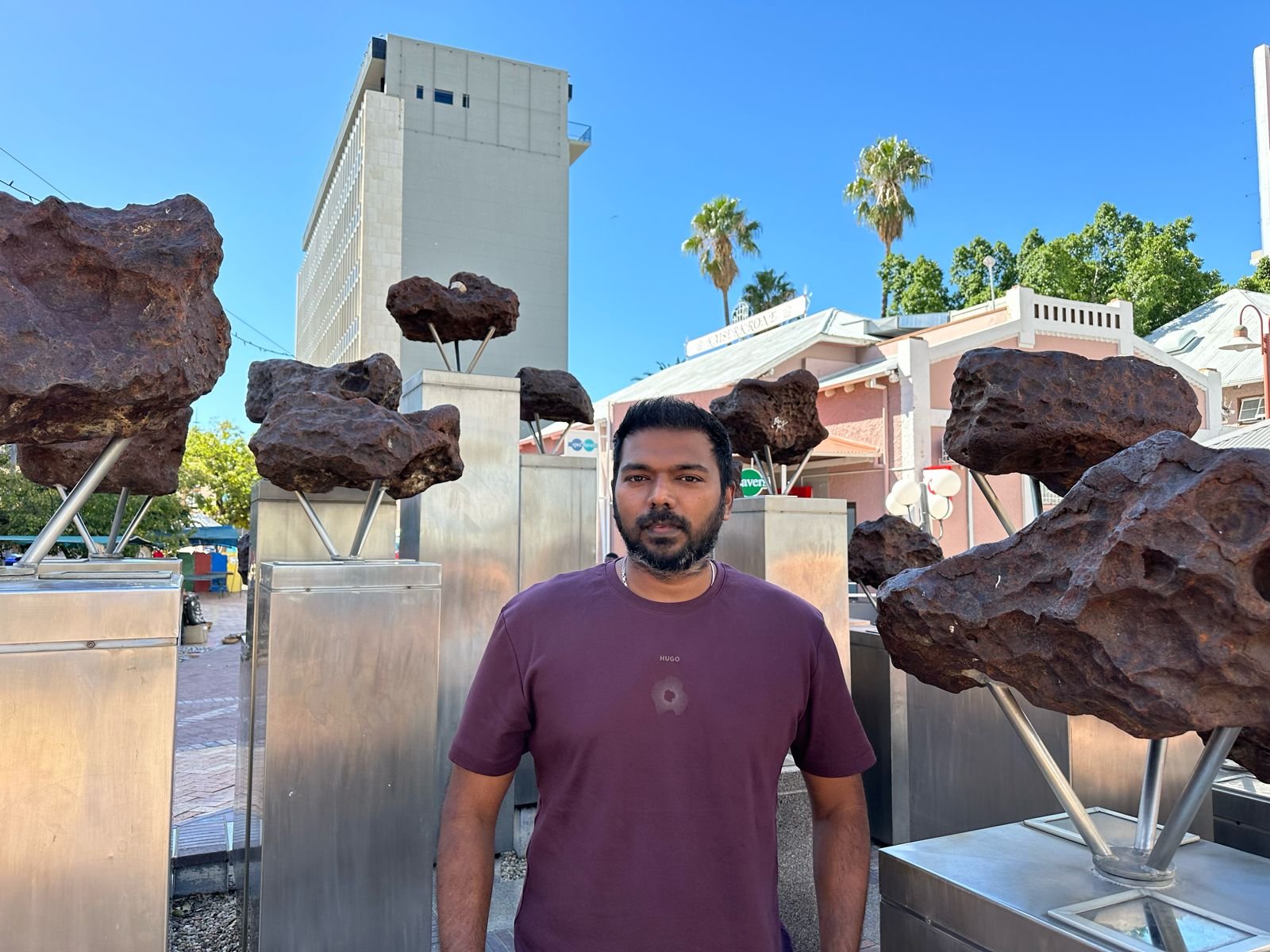
Hello, I'm Chandrasekar Rathinam, A Cyber Security Consultant and Traveller.

Copyright © 2024 Let's See The World . All rights reserved.
Designed by Xharvoc™ with ❤ in New Delhi.