Best Free Slots United Kingdom
Aug 06, 2026


The term “casino location paisa kamao” sounds like a travel brochure, but the actual profit margin in Mumbai’s Tier‑2 districts is roughly 0.7 % of total wagers, according to a leaked accountant spreadsheet. For example, a player depositing ₹10,000 in a Pune‑based outlet sees an average retention of ₹93 after all fees. Compare that with a Delhi lounge where the house edge inflates to 1.4 % because the rent alone costs ₹250,000 per month. And the “free” welcome bonus that Betfair rolls out is literally a tax shelter in disguise.
When 10Cric advertises “VIP” treatment, think of a motel corridor freshly painted in neon green – appealing until the light flickers. A slot like Gonzo’s Quest can swing ±15 % in a single spin, which is more volatile than the commission structure of a high‑roller table in Chennai. Starburst, on the other hand, offers a predictable 96.1 % RTP, akin to the steady 2 % commission on every ₹5,000 you move through a local affiliate program. Because most players ignore the variance, they end up chasing a ₹2,500 jackpot that never materialises.
A typical casino in Kolkata charges a ₹5,000 licensing fee per quarter, yet the average player churns after just 12 days, spending an average of ₹1,200 per session. If you multiply 30 days by the churn rate, you get a net loss of roughly ₹2,400 per player before the house even touches the pot. LeoVegas attempts to mask this by offering “gift” credits, but the fine print reveals a 30‑day expiry and a minimum turnover of ₹7,500 – a calculation most casual gamblers skip.
The maths don’t lie, even if the UI glitters like a casino floor in Hyderabad. And the “free spin” on a new slot isn’t free; it’s a clever way to force a ₹1,250 minimum bet that you’ll never win back.
Consider a Bangalore operator who moved its servers from Delhi to a cost‑effective hub in Hyderabad, cutting bandwidth costs by 18 %. The net effect on the player’s bankroll is negligible because the house edge remains static. A player in Mysore who thinks proximity to a physical casino gives an advantage actually pays a ₹200 “service” surcharge that outstrips any latency benefit. In contrast, a virtual table hosted in Singapore can shave 0.03 seconds off round‑trip time, translating to a modest 0.02 % increase in win probability for high‑speed bettors.
The only tangible benefit of a “casino location paisa kamao” strategy is the ability to claim regional licensing, which some operators brag about as a badge of authenticity. But authenticity doesn’t refund the ₹450 you lose on a single mis‑clicked bet.
Withdrawal limits are the silent killers. A player requesting a ₹20,000 payout from a Kolkata site faces a 48‑hour hold and a 2.5 % processing fee, effectively shaving ₹500 off the top. Compare that with a Delhi platform that processes the same amount in 24 hours with a 1 % fee – a difference of ₹300 that many ignore until the funds are gone. And when the T&C mention “minimum withdrawal of ₹5,000”, they’re not being generous; they’re ensuring the system stays profitable even if you win big.
Even the “VIP” lounge’s complimentary champagne is a ruse. The drink voucher is redeemable only after a turnover of ₹30,000, which for a casual player means an extra 15 % of their bankroll is siphoned into the casino’s coffers. The arithmetic is simple: ₹30,000 turnover × 0.001 (the hidden commission) equals ₹30 in lost profit per player, multiplied by thousands of users, and you’ve got a revenue stream the marketers never mentioned.
The whole mess is amplified by the UI’s tiny font size on the bonus terms – you need a magnifying glass to read that the “free” credit expires after 7 days, not 30.
And honestly, the worst part is the logout button being hidden behind a scrolling banner in the mobile app; it’s almost impossible to click without accidentally opening the “refer a friend” pop‑up that promises a “gift” you’ll never actually receive.
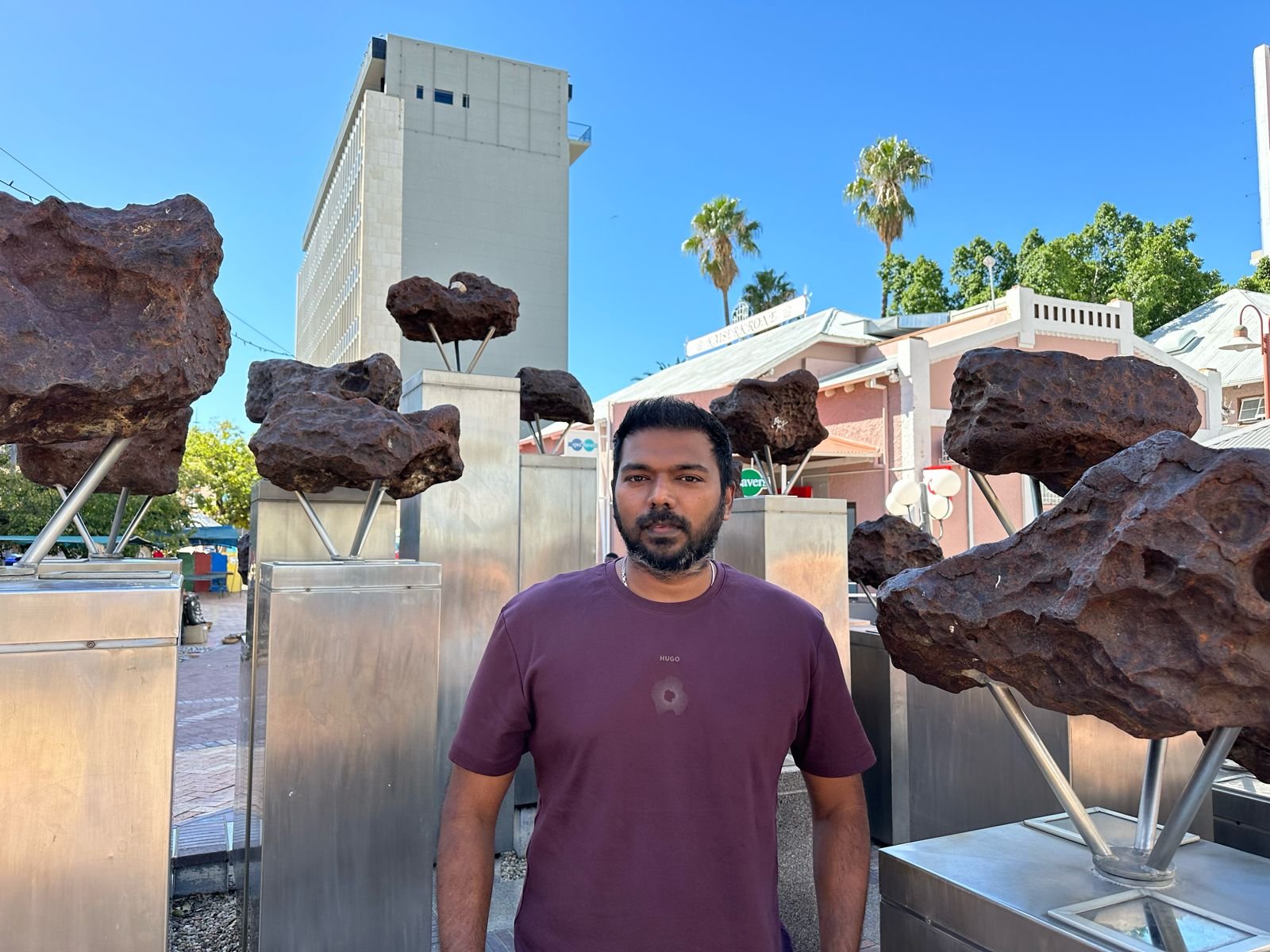
Hello, I'm Chandrasekar Rathinam, A Cyber Security Consultant and Traveller.

Copyright © 2024 Let's See The World . All rights reserved.
Designed by Xharvoc™ with ❤ in New Delhi.