Win Real Money Free Signup Bonus
Aug 06, 2026


First, the sheer volume of ₹2,500 bonuses that flood Kolkata’s inboxes each week is a reminder that marketing loves hyperbole more than reality.
Betway pushes a “free” ₹1,000 welcome pack, yet the wagering requirement of 35× means a player must gamble ₹35,000 before touching a single rupee of profit—a conversion rate lower than a 0.5 % return on a savings account.
And the odds of hitting a 200% payout on Starburst during a 5‑minute session are roughly 1 in 42, comparable to guessing the exact number of chai cups sold in a Delhi train carriage.
10Cric, meanwhile, advertises 150 “free spins”. But each spin costs a minimum bet of ₹10, and the maximum win per spin is capped at ₹5,000, turning the offer into a math problem that even a schoolteacher would sigh at.
Because volatility in Gonzo’s Quest feels like a roller‑coaster, the average bankroll depletion per 100 spins hovers around ₹8,000, which dwarfs the supposed “gift” of a ₹2,000 cashback that arrives after a 72‑hour delay.
LeoVegas markets a “VIP lounge” that promises 24‑hour support, yet their live chat response time spikes from 12 seconds at 9 am to 78 seconds during peak hours—proof that “VIP” is often just a fresh coat of paint on a cracked wall.
Deposit ₹10 Online Slots India mein: The Hard Truth Behind Tiny Bets and Big Promises
Consider the deposit bonus formula: Bonus = Deposit × 0.8, but the real profit after wagering is Bonus ÷ 30. For a ₹10,000 deposit, you receive ₹8,000 bonus, yet only ₹267 becomes withdrawable after the math is done.
And the conversion from loyalty points to cash is a 1:0.01 ratio—meaning 10,000 points equal just ₹100, a figure so tiny it barely covers a metro ticket.
Because most “no deposit” offers sit at a flat ₹500, the effective profit after a 40× playthrough drops to ₹12.50, which is less than the cost of a single packet of biscuits.
When you stack the house edge of a classic blackjack variant—1.5%—against a 0.6% edge on a Progressive slot, the difference in expected loss over 1,000 spins is ₹150 versus ₹600, a stark illustration that the “high‑volatility” hype often masks a larger drain.
But the real kicker is the withdrawal fee ladder: a ₹5,000 withdrawal costs ₹100, while a ₹20,000 withdrawal costs ₹250, effectively turning a 2% fee into a 1.25% fee as the amount grows—yet the user still pays more in absolute terms.
Online Casino Welcome Bonus India: The Cold Math Behind the Glitter
And the “gift” of a 48‑hour processing window for cashouts adds an invisible cost: an average player loses ₹300 in interest on a ₹10,000 withdrawal waiting two days, assuming a modest 3% annual rate.
Because each platform’s terms and conditions are buried under 7,342 words of legalese, the average reader spends roughly 12 minutes just locating the clause that states “any bonus may be revoked at the operator’s discretion”.
Consider the odds of a player winning a progressive jackpot on a slot like Mega Moolah: approximately 1 in 88 million, which is statistically identical to being struck by lightning while riding a bus in Kolkata.
And the “free” demo mode that many sites provide is a sandbox with no real money flow, serving only to lure players into a false sense of mastery before they deposit real cash.
Latest Casino Sites Ki List: The Cold, Hard Truth No One Wants to Hear
When you factor in the cost of internet data—₹150 per gigabyte for a 2 GB session—the effective cost of 30 minutes of play can exceed the net gain from a successful spin on a low‑variance slot.
naya casino bonus India me – the cold cash trick you didn’t ask for
Because the regulatory oversight in India is still fragmented, each state—like West Bengal—has its own ambiguous stance, leading to a legal gray zone where a player could face a ₹10,000 fine for “unauthorized gambling” without ever realizing it.
And the UI glitch that forces you to scroll three extra pages to find the “withdraw” button adds a hidden friction cost, effectively reducing the net profit by a few seconds of patience per transaction.
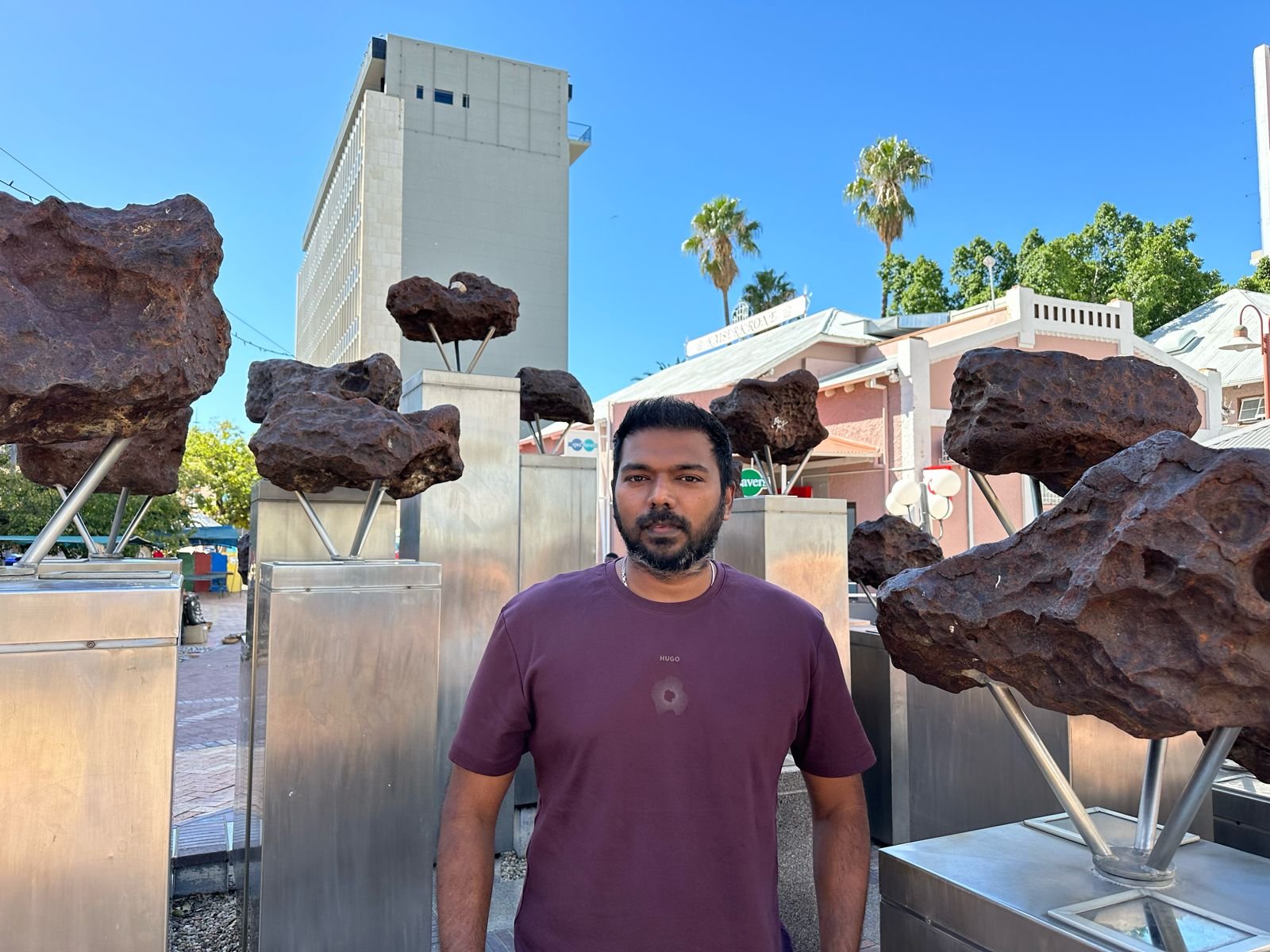
Hello, I'm Chandrasekar Rathinam, A Cyber Security Consultant and Traveller.

Copyright © 2024 Let's See The World . All rights reserved.
Designed by Xharvoc™ with ❤ in New Delhi.