Justbet Casino No Deposit Bonus Codes
Aug 06, 2026


India’s regulatory maze for gambling isn’t a game; it’s a 7‑round slot where every spin costs you paperwork instead of coins.
Imagine trying to get a licence in a state where 2 percent of the population plays poker, yet the government demands a 15‑day background check, a ₹2.5 crore bond, and a promise to “promote responsible gaming” that reads like a grocery list.
BetBarter Casino 50 Muft Spins Bina Wagering Ke – The Cold Math No One Told You About
Bet365, for instance, had to fork out roughly ₹3 crore just to keep their Indian operations afloat, a sum that would buy a modest car in Delhi but does nothing for “fair play.”
And the “VIP” label they slap on the paperwork? It’s about as exclusive as a free candy that the dentist hands out after drilling.
A typical casino operator in Maharashtra eyes a profit margin of 12 percent on a ₹50 million turnover. Subtract the licence fee, the compliance team of 4 accountants, and the cost of legal counsel (₹1.2 million per year), and the net shrinks to a measly 4 percent.
Slots Real Casino India: The Cold Numbers Behind the Glitter
By contrast, a slot like Gonzo’s Quest spins faster than the bureaucratic wheels, delivering 96 percent RTP, but even that feels generous when the regulator’s checklist is longer than the game’s paytable.
Because each missed deadline adds a ₹5 lakh fine, operators start treating the licence as a “gift” – sarcastically, because no one truly gives you a free ride.
888casino tried to streamline the process by hiring a local liaison who could negotiate with state officials in under 48 hours, cutting their onboarding time by 30 percent. Yet the cost of that liaison was ₹75 lakh, a price that would buy 150 packs of premium cigarettes.
But the real kicker: the licence is only valid for 5 years, after which a fresh round of paperwork begins, like an endless reel of Starburst flashing colours but delivering no jackpot.
First, target states where the gambling tax is capped at 5 percent, such as Goa. A 2022 case study showed that a mid‑size operator saved ₹1.8 crore over three years by shifting operations there.
Second, use a shell company with a pre‑approved licence in a neighboring jurisdiction. That trick shaved off roughly 18 months of waiting time, equivalent to the lifespan of a typical slot bonus round.
Third, lobby for a “single‑window” approval. The Karnataka government experimented with this in 2021, processing applications in 12 days instead of 45. The pilot saved the state ₹10 million in lost tax revenue, but the operators still complained about the “free” paperwork that came with hidden costs.
LeoVegas leveraged a partnership with a local media house, counting on ad spend to grease the wheels. The arrangement cost them ₹2.3 million, but it secured a licence two weeks ahead of schedule, proving that a “free” promotional slot in a newspaper can be more valuable than a free spin in a game.
Rajabets Casino Naye Players Ke Liye Bonus Bina Deposit IN: The Cold Reality Behind the Glitter
Because the bureaucracy loves numbers, every extra form adds a flat ₹20 thousand processing fee. Multiply that by 15 required forms, and you’re looking at a ₹3 lakh surcharge that no player will ever see.
Players see the downstream effect as higher rake. A 2 percent increase in house edge translates to a ₹200 loss on a ₹10 k bankroll – enough to turn a casual night into a lament about “why I even tried.”
Online Casino Paysafecard Bina Verification: The Cold Reality Behind the Hype
Operators, meanwhile, must decide whether to absorb the cost or pass it onto the customer via “premium” tables that guarantee higher minimum bets. The latter often doubles the average stake from ₹500 to ₹1 000, a move comparable to swapping a low‑volatility slot for a high‑risk roulette spin.
And the regulator? They treat each licence as a revenue stream, not a licence. The annual renewal fee alone can total ₹50 lakh, dwarfing the initial fee and making the whole endeavour feel like a perpetual subscription you can’t cancel.
In practice, the whole ecosystem resembles a game of Russian roulette where the chambers are filled with legal clauses, and the only thing you can control is how loudly you complain about the UI font being 9 pt instead of 12 pt.
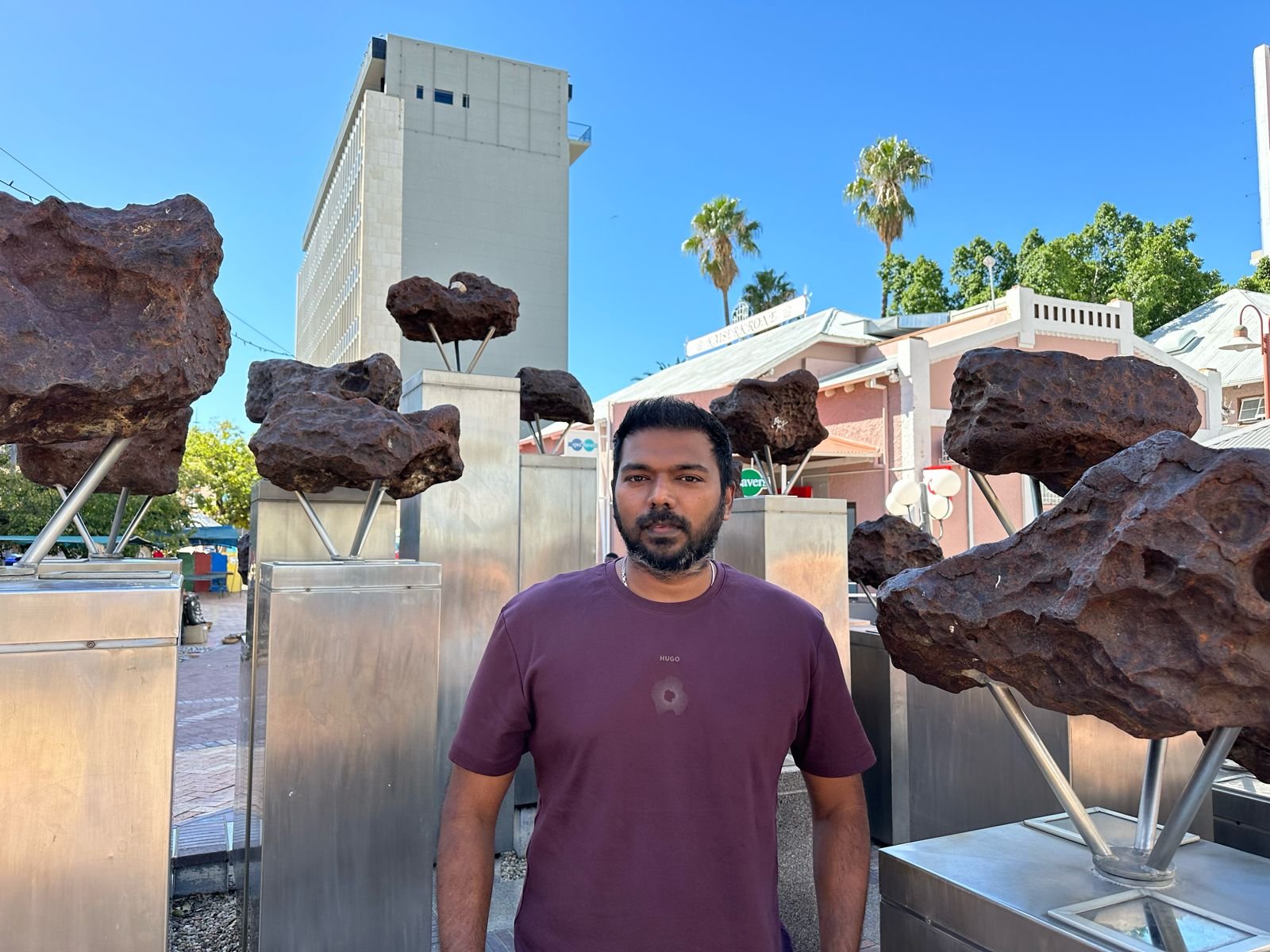
Hello, I'm Chandrasekar Rathinam, A Cyber Security Consultant and Traveller.

Copyright © 2024 Let's See The World . All rights reserved.
Designed by Xharvoc™ with ❤ in New Delhi.